

What You Need to Know for a Healthy and Balanced Detox and Weight-Loss Process
A healthy renewal process should nourish, protect and support the body rather than exhaust it through severe restriction.
Sustainable weight management is not created by a few days of liquid drinks. It develops through balanced nutrition, movement, sleep, stress regulation and habits that can be continued over time.
A programme that leaves you weak, hungry, dizzy or unwell should not be interpreted as evidence that detoxification is working.
What Does Detoxification Actually Mean?
The human body already has complex systems that process, transform and remove substances it does not need.
The liver, kidneys, lungs and digestive system work continuously as part of these physiological processes. No single juice, tea or supplement can replace them.
In everyday wellbeing language, the word detox can be used to describe a period in which alcohol, excessive sugar, highly processed foods and irregular habits are reduced while balanced meals, hydration, sleep and movement are prioritised.
This is very different from claiming that a short cleanse removes undefined toxins from the body.
When Rapid Weight Loss Comes at a Cost
A few months ago, I met an old friend named Filiz. She is a cheerful woman approaching her forties who has lived above her preferred weight for much of her adult life.
Over the years, she had tried several restrictive diet programmes. Each time, she lost weight and later regained it—sometimes with additional weight.
Rather than questioning the sustainability of those programmes, she blamed herself and gradually began to feel helpless.
After hearing that a colleague had lost several kilograms with a packaged liquid cleanse, Filiz purchased the same type of programme with great enthusiasm.
Losing Weight Quickly Does Not Always Mean Losing Weight Healthily
When Filiz replaced her usual meals with a very low-calorie liquid programme, the number on the scale naturally began to fall.
However, during the second week she developed severe headaches, pain in different parts of her body, itching and widespread redness of the skin.
Symptoms such as these should not be labelled “detox reactions” or proof that toxins are leaving the body. They may be related to dehydration, inadequate nutrition, an ingredient reaction, medication interactions or another medical problem.
A restrictive programme should be stopped and medical advice obtained when it causes significant or persistent symptoms.
Why Can Very Restrictive Programmes Be Problematic?
- They may provide insufficient energy, protein, fibre and essential nutrients.
- Early weight reduction may include water and glycogen rather than only body fat.
- Severe hunger can make rebound eating and weight regain more likely.
- Dizziness, fatigue, headache and digestive changes may occur.
- Rapid weight loss may increase the risk of gallstones in some individuals.
- The programme may be unsafe alongside medication or an existing health condition.
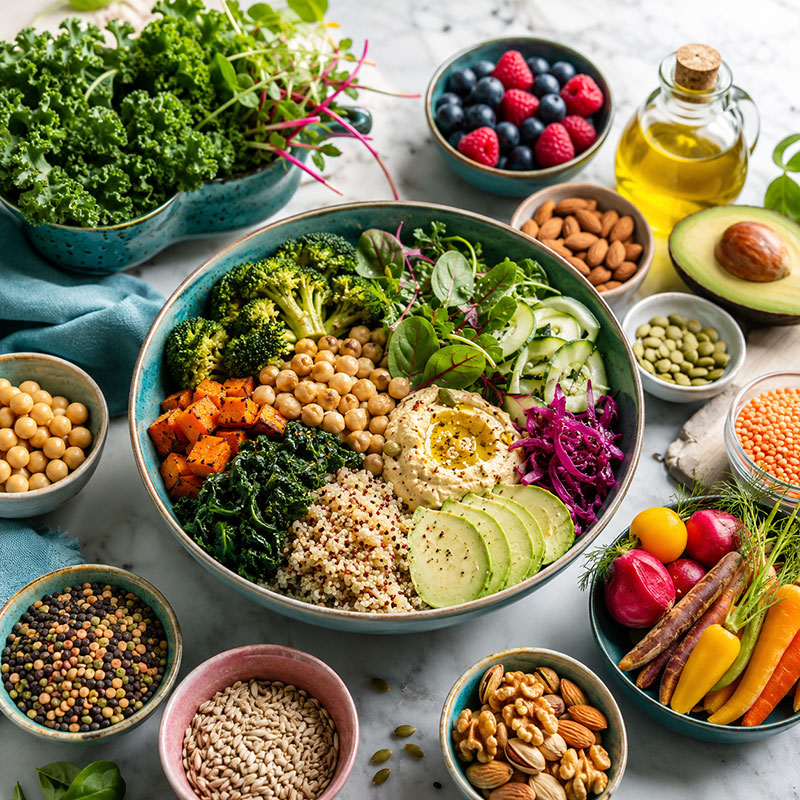
A Balanced Programme Must Provide Real Food
Healthy weight management should not rely on deprivation or a single type of food.
Meals should provide appropriate amounts of protein, vegetables, fruit, fibre-rich carbohydrates and nourishing fats according to the individual’s needs.
The most effective plan is not necessarily the fastest one. It is the plan that protects health and can be maintained after the initial motivation has passed.
What Should a Healthy Renewal and Weight-Loss Programme Include?
Adequate Protein
Protein supports muscle maintenance, tissue renewal and satiety. Suitable sources may include legumes, yoghurt, eggs, fish, poultry, nuts and seeds according to individual dietary preferences.
Fibre-Rich Plant Foods
Vegetables, fruit, legumes and whole grains provide fibre and support regular digestion, satiety and dietary variety.
Colour and Variety
Choosing vegetables and fruit of different colours helps create a wider intake of vitamins, minerals and naturally occurring plant compounds.
Appropriate Hydration
Fluid requirements vary according to body size, climate, physical activity, diet, medication and health. Drink regularly rather than forcing excessive amounts.
Regular Movement
Walking, resistance exercise and other appropriate activities support physical function, energy expenditure and the maintenance of muscle mass.
Sleep and Recovery
Adequate sleep supports appetite regulation, energy, emotional balance and the ability to maintain healthy daily choices.
Include High-Quality Protein Sources
Amino acids obtained from dietary protein are needed throughout the body for enzymes, transport proteins, tissue maintenance and many metabolic functions.
Plant-based sources include lentils, chickpeas, beans, peas, tofu, nuts and seeds.
Depending on dietary preferences, eggs, yoghurt, poultry and fish may also be included. Choose amounts and sources that suit your health, values and nutritional requirements.
Obtain Antioxidants Primarily from Food
Vegetables, fruit, legumes, whole grains, herbs, spices, nuts and seeds provide nutrients and naturally occurring antioxidant compounds.
Garlic, onion, dark leafy vegetables, berries, citrus fruit, artichoke, turmeric and coriander can all be included as part of a varied diet.
High-dose antioxidant supplements are not automatically more beneficial than food and may be unsuitable in some health conditions or alongside medication.
The Liver Is Important—but It Does Not Need a Trendy Cleanse
The liver performs hundreds of functions, including processing nutrients, producing bile, storing energy, metabolising medication and transforming many substances so that they can be used or removed.
Supporting liver health means protecting the organ through balanced nutrition, responsible alcohol use, appropriate medication use, physical activity and medical care when needed.
It does not mean that a juice, tea or supplement can wash or scrub the liver clean.
Do You Need Milk Thistle or Another “Liver Detox” Supplement?
Milk thistle products usually contain compounds collectively known as silymarin.
Research into milk thistle for liver conditions has produced mixed and limited results. It should not be assumed that the supplement cleanses the liver or is necessary during weight loss.
Herbal supplements may interact with medication or be unsuitable during pregnancy, breastfeeding and certain medical treatments. Discuss their use with a qualified healthcare professional.

Renewal Is Created by a Complete Lifestyle
Food is important, but it is only one part of a healthy renewal process.
Hydration, movement, sleep, stress regulation, breathing habits and emotional wellbeing influence whether a plan can be sustained.
The goal is not to endure a temporary punishment. The goal is to build a daily rhythm that supports health after the programme has ended.
Make Hydration Part of Your Routine
Water supports normal circulation, temperature regulation, digestion and kidney function.
Warm water or an unsweetened herbal tea can also create a pleasant and mindful hydration ritual, particularly during colder weather.
Daily Wellbeing Ayurvedic DTX, Kapha, Vata and Ginger tea blends may be enjoyed according to their ingredients, flavour and personal suitability.
These products should not be presented as proven fat-burning or toxin-removing treatments. Review ingredients carefully if you use medication, are pregnant or have a medical condition.
Discover the Ayurvedic Tea BlendsCan Breathing Techniques Support the Process?
Breathing exercises do not remove stored toxins or directly cause fat loss.
However, a suitable breathing practice may support stress regulation, body awareness and the ability to pause before reacting automatically to hunger, frustration or emotional pressure.
Slow techniques may support calmness, while stimulating practices such as Kapalabhati and Bhastrika have specific contraindications and are not appropriate for everyone.
Review the complete safety guidance before beginning any forceful pranayama technique.
Life Hidden in Breath
Ebru Şinik’s breathing guide explains pranayama practices with application instructions, suggested durations and technique-specific contraindications.
Discover the BookKapalabhati Practice Video
Watch Ebru Şinik’s application video and review the contraindications before attempting this stimulating breathing technique.
Watch the Practice VideoHabits That May Work Against Your Goals
Alcohol and Tobacco
Reducing or avoiding alcohol and tobacco supports general health. Seek professional support when stopping is difficult.
Excessive Caffeine
Large amounts of caffeine may affect sleep, anxiety and appetite. Reduce gradually when regular high intake causes withdrawal headaches.
Highly Processed Foods
Reduce foods that provide large amounts of added sugar, salt or refined fat while contributing little fibre or nutritional variety.
Excess Added Sugar
Honey, molasses, date syrup and maple syrup are still sources of sugar. “Natural” does not mean unlimited.
Never Stop Medication for a Detox Programme
Prescription and non-prescription medicines should not be discontinued because a cleanse or detox programme instructs you to avoid “chemicals.”
Changes to medication must be discussed with the healthcare professional responsible for your treatment.
One Programme Is Not Suitable for Everyone
Energy, protein, fluid and micronutrient requirements differ according to age, body composition, physical activity, medication and health history.
Pregnant or breastfeeding individuals, children, older adults and people with diabetes, kidney disease, liver disease, eating disorders or active medical treatment should not begin a restrictive programme without professional guidance.
A registered dietitian or appropriately qualified healthcare professional can help create an individual plan that protects both physical and psychological health.
Stop the Programme and Obtain Help If You Experience:
- Fainting or severe dizziness
- Persistent vomiting or diarrhoea
- Chest pain or breathing difficulty
- A widespread rash or swelling
- Confusion or extreme weakness
- Severe abdominal pain
- Signs of dehydration
- Symptoms of very low or high blood glucose
A healthy renewal process is not measured by how much discomfort you can tolerate. It is measured by how effectively it supports your health, energy and long-term relationship with your body.
Be Well, Be Happy!
Detox, Nutrition and Healthy Weight Management
Do detox diets remove toxins from the body?
There is limited clinical evidence that commercial detox diets remove undefined toxins. The body already uses the liver, kidneys, lungs and digestive system to process and remove substances.
Why do people lose weight during a juice cleanse?
Most liquid cleanses provide very few calories. Early weight reduction may include water and glycogen, and the lost weight may return when ordinary eating resumes.
Are headaches or skin rashes normal detox symptoms?
No symptom should automatically be interpreted as evidence that toxins are leaving the body. Severe headache, itching, redness or pain may require medical assessment.
Is a liquid-only detox safe?
It may provide insufficient energy, protein, fibre and nutrients. Suitability depends on ingredients, duration and personal health, but highly restrictive plans should not be started without guidance.
Does milk thistle cleanse the liver?
Evidence does not establish milk thistle as a general liver cleanse. Supplements may interact with medication and should be discussed with a healthcare professional.
Do detox teas burn fat?
Herbal teas may contribute to an enjoyable hydration routine, but they should not be expected to remove toxins or produce meaningful fat loss on their own.
Can breathing exercises support weight loss?
Breathing exercises do not directly burn body fat. They may support stress regulation, awareness and healthier responses to emotional triggers.
How quickly should I lose weight?
An appropriate rate depends on the individual’s starting point, health, nutritional needs and treatment plan. Faster is not necessarily safer or more sustainable.
Should I stop medication during a detox?
No. Do not stop or alter medication because of a detox programme unless the responsible healthcare professional specifically instructs you to do so.
Wellbeing Note
Balanced nutrition, hydration, movement, sleep and stress regulation can support general health and sustainable weight management.
This article does not diagnose or treat obesity, liver disease, diabetes, nutritional deficiency or another medical condition. Restrictive diets and supplements should be evaluated according to individual health needs.
Ebru Şinik
Wellbeing Coach & Ayurveda Instructor