
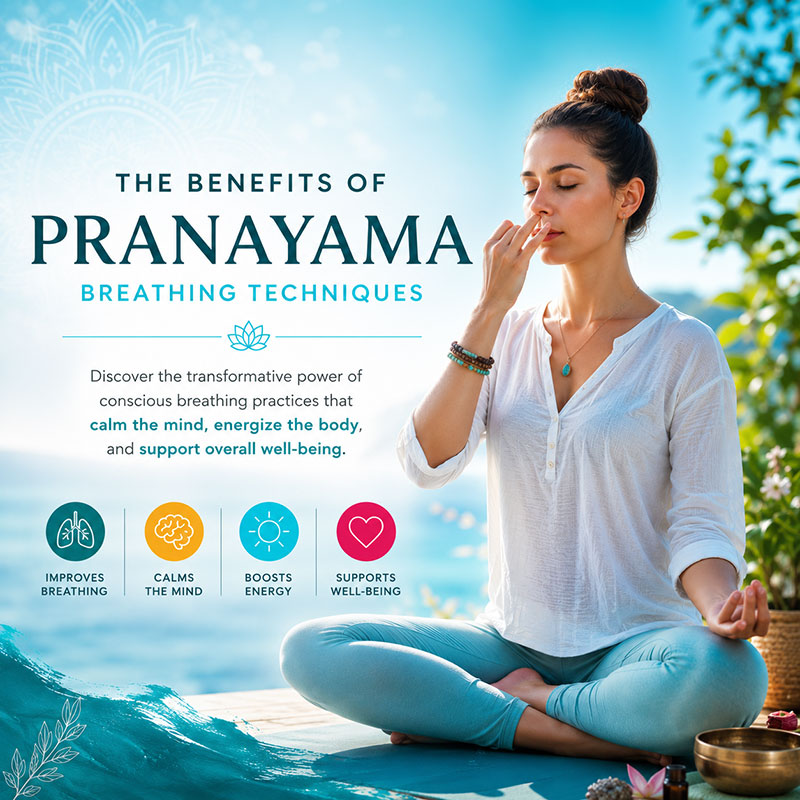
What Are the Benefits of Breathing Techniques and Pranayama?
Breathing is the first action we take when we enter this world and the last action we take before leaving it.
Although breathing continues automatically throughout life, the way we breathe can influence how we feel, think and respond to everyday experiences.
When we consciously regulate the breath, we create a direct bridge between the body, mind, emotions and autonomic nervous system.
What Is Pranayama?
Pranayama is the traditional practice of consciously regulating the rhythm, depth and duration of the breath.
The term is associated with the Sanskrit words prana, meaning vital life energy, and ayama, meaning expansion, regulation or conscious direction.
Pranayama includes many different techniques. Some exercises are calming and balancing, while others are energising, warming, cooling or cleansing.
One Breathing Technique Does Not Suit Everyone
Some pranayama practices extend the exhalation, while others involve alternate-nostril breathing, rhythmic breathing, forceful exhalations or carefully controlled breath retention.
The most appropriate technique depends on your physical condition, emotional state, energy level and intention at that particular moment.
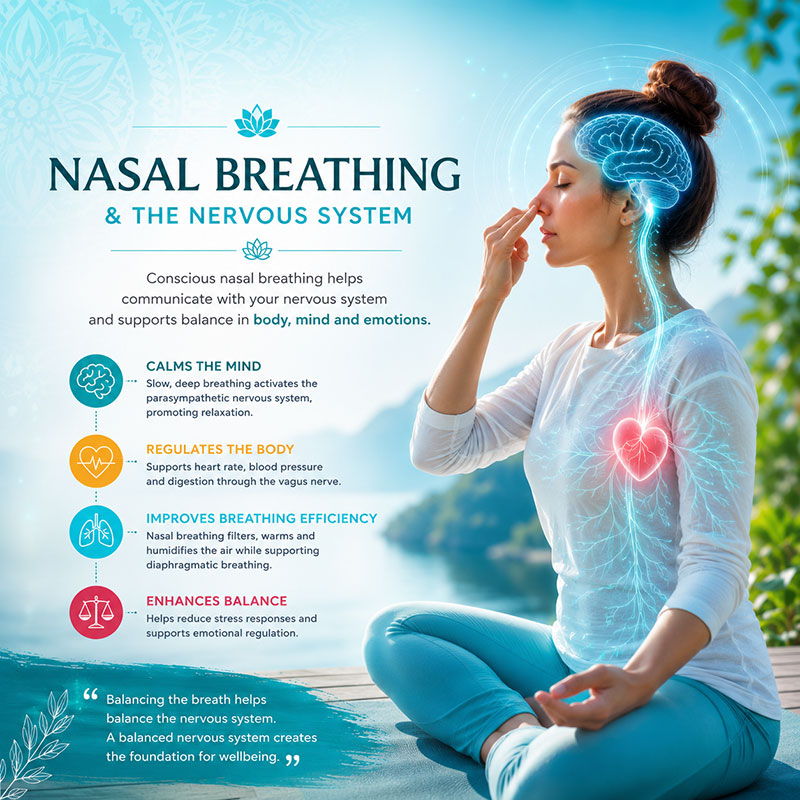
How Does Conscious Breathing Affect the Nervous System?
The autonomic nervous system regulates functions that occur without conscious effort, including heart rate, digestion, blood pressure and the stress response.
When we feel threatened, overwhelmed or anxious, breathing often becomes faster, shallower and concentrated in the upper chest.
Slow, controlled and comfortable breathing may support the parasympathetic nervous system—the physiological state associated with rest, restoration and digestion.
Balancing the breath helps balance the nervous system. A balanced nervous system creates the internal conditions needed for clearer thoughts, steadier emotions and more conscious choices.
What Are the Benefits of Breathing Techniques?
The effects of pranayama vary according to the technique, the individual and the consistency of the practice. When suitable exercises are performed correctly and regularly, they may support several areas of physical, mental and emotional wellbeing.
Stress Regulation
Slow breathing may help interrupt an escalating stress response and create a pause between an event and our reaction.
A Calmer Mind
When the breathing rhythm becomes smooth and steady, mental activity may begin to settle naturally.
Focus and Mental Clarity
Following each inhalation and exhalation brings attention back to the present moment and supports sustained concentration.
Emotional Balance
Observing and regulating the breath can help us recognise emotional patterns and respond with greater awareness.
Better Sleep
Gentle breathing exercises with a slower rhythm may help the body move from daytime alertness towards rest.
Diaphragmatic Breathing
Pranayama encourages more effective use of the diaphragm and may reduce unnecessary tension around the shoulders and neck.
Respiratory Awareness
Regular practice helps us notice shallow breathing, habitual mouth breathing and unnecessary breath-holding.
Digestive Support
Slow diaphragmatic breathing may support the parasympathetic “rest and digest” state of the nervous system.
Energy and Vitality
Certain pranayama techniques are stimulating and may help increase alertness when energy levels feel low.
Greater Body Awareness
Paying attention to the breath helps us recognise posture, muscle tension and the physical signs of stress.
Why Is Nasal Breathing Important?
The nose is designed to prepare inhaled air before it reaches the lungs. It helps filter particles, warm the air and add moisture.
Nasal breathing also supports the production and circulation of nitric oxide, a molecule involved in normal vascular and physiological functions.
Because breathing through the nose creates more resistance than breathing through the mouth, it can naturally encourage a slower and more controlled breathing rhythm.
Nasal Breathing May Help Support
Air Filtration
Filtering, warming and humidifying the air before it enters the lungs.
A Slower Rhythm
Encouraging a more measured and controlled breathing rhythm.
Diaphragm Movement
Supporting more effective and comfortable movement of the diaphragm.
Breathing Awareness
Increasing awareness of unconscious breathing habits during daily life.
Rest and Sleep
Supporting comfortable breathing during relaxation and sleep.
The Diaphragm and the Vagus Nerve
The vagus nerve is an important communication pathway between the brain and several organs, including the heart, lungs and digestive system.
Slow breathing and the rhythmic movement of the diaphragm may support vagal activity and help the body move towards a calmer physiological state.
The aim is not to force the breath to become unusually deep. A balanced breathing pattern should feel smooth, quiet, controlled and comfortable.
Life Hidden in Breath
Life Hidden in Breath, originally published in Turkish as Nefeste Saklı Hayat, is Ebru Şinik’s practical guide to scientifically informed nasal breathing techniques.
The book brings together traditional Ayurvedic knowledge, modern physiology and breathing exercises that can be integrated into everyday life.
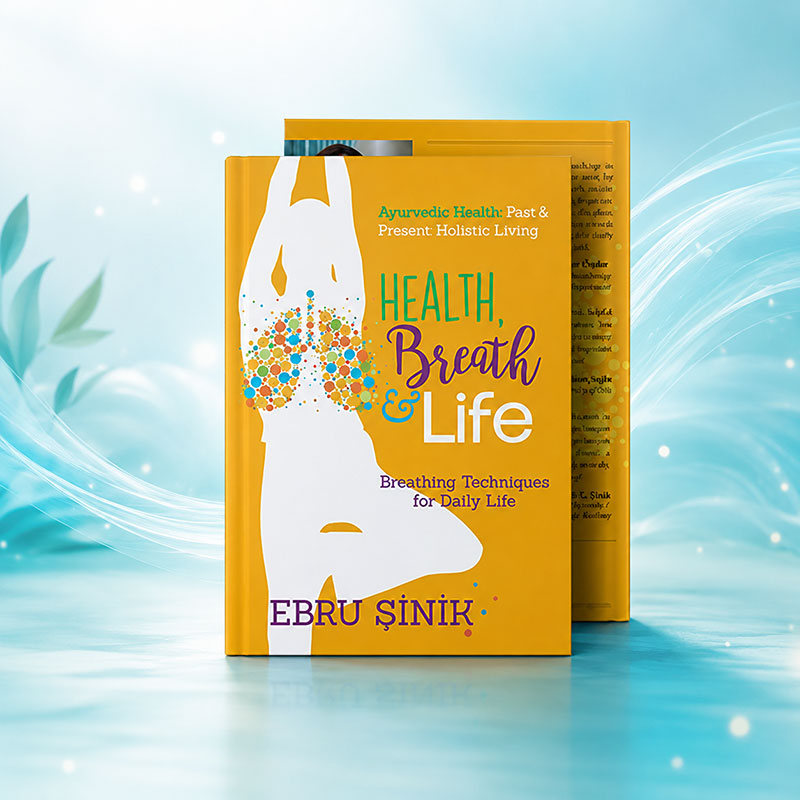
Learn Each Technique Step by Step
Written by Ebru Şinik, Wellbeing Coach & Ayurveda Instructor, the book explains the purpose, recommended duration, potential benefits and contraindications of each technique.
QR codes placed throughout the book provide access to instructional videos, allowing readers to observe and practise each exercise more confidently.
Rather than recommending one breathing exercise for every situation, the book helps readers select techniques according to their changing needs throughout the day.
Discover Life Hidden in BreathThe Book May Be Particularly Useful for People Who Wish To
Build a Regular Practice
Develop a safe and sustainable daily pranayama routine.
Choose the Right Technique
Understand the difference between calming, balancing and energising practices.
Support Emotional Regulation
Use breathing as a supportive practice during periods of stress and emotional intensity.
Improve Focus
Support concentration, mental clarity and preparation for meditation.
Choosing a Technique According to Your Needs
In the Morning
Energising practices may help increase alertness and prepare the mind for the day.
During the Day
Balancing techniques may support focus before work, study or an important meeting.
In the Evening
Slow and calming breathing may help the nervous system prepare for sleep.
How Long Should You Practise?
Consistency is generally more valuable than duration. For beginners, approximately five minutes of comfortable conscious breathing each day can be a meaningful start.
As familiarity develops, the practice may gradually be extended to ten or fifteen minutes, depending on the technique.
Breathing exercises should never feel like a competition. Forcing the breath may create discomfort rather than balance.
Important Safety and Contraindication Information
A gentle slow-breathing exercise is not the same as rapid breathing, forceful exhalation or breath retention. Each technique can create a different physiological effect.
People who are pregnant or undergoing chemotherapy or radiotherapy, as well as those with cardiovascular, neurological, respiratory or serious psychiatric conditions, should consult their physician before beginning pranayama.
Stop the practice if you experience dizziness, chest pain, faintness, significant shortness of breath or unusual discomfort.
A Conscious Breath Creates a More Conscious Life
Wellbeing is shaped not only by major decisions, but also by the small choices we repeat every day.
Regulating the breath supports regulation of the nervous system and a regulated nervous system is one of the foundations of conscious transformation.
Be Well, Be Happy!
Pranayama and Breathing Techniques
What is the difference between breathing exercises and pranayama?
Breathing exercise is a broad term for any structured practice that observes or changes the breath. Pranayama is a traditional system containing different techniques, intentions and energetic qualities.
Can pranayama help with stress and anxiety?
Gentle and slow breathing may help regulate the stress response and create a greater sense of calm. It should not, however, replace professional support for persistent or severe anxiety.
Can breathing techniques support better sleep?
Calming techniques with a slow rhythm and comfortable exhalation may help prepare the nervous system for sleep. Rapid or energising practices are generally not suitable immediately before bedtime.
Should pranayama always be practised through the nose?
Many pranayama techniques use nasal breathing. However, some specific practices require exhalation through the mouth. The instructions for each technique should always be followed.
How many minutes should I practise each day?
Beginners may start with approximately five minutes a day. Regular short practices are usually more sustainable than occasional long sessions.
Is pranayama suitable for everyone?
Gentle breath awareness may be suitable for many people. Rapid breathing, forceful exhalations and breath retention have important contraindications, so individual health conditions must always be considered.
What is Life Hidden in Breath?
Life Hidden in Breath is Ebru Şinik’s practical guide to nasal breathing and pranayama. It includes step-by-step explanations, safety information and QR-coded instructional videos for individual techniques.
Wellbeing Note
Breathing techniques and pranayama can support wellbeing, but they do not diagnose, prevent or treat disease.
They should not replace medical evaluation, psychological support or professional treatment. Individual contraindications should always be considered before beginning a new practice.
Ebru Şinik
Wellbeing Coach & Ayurveda Instructor