
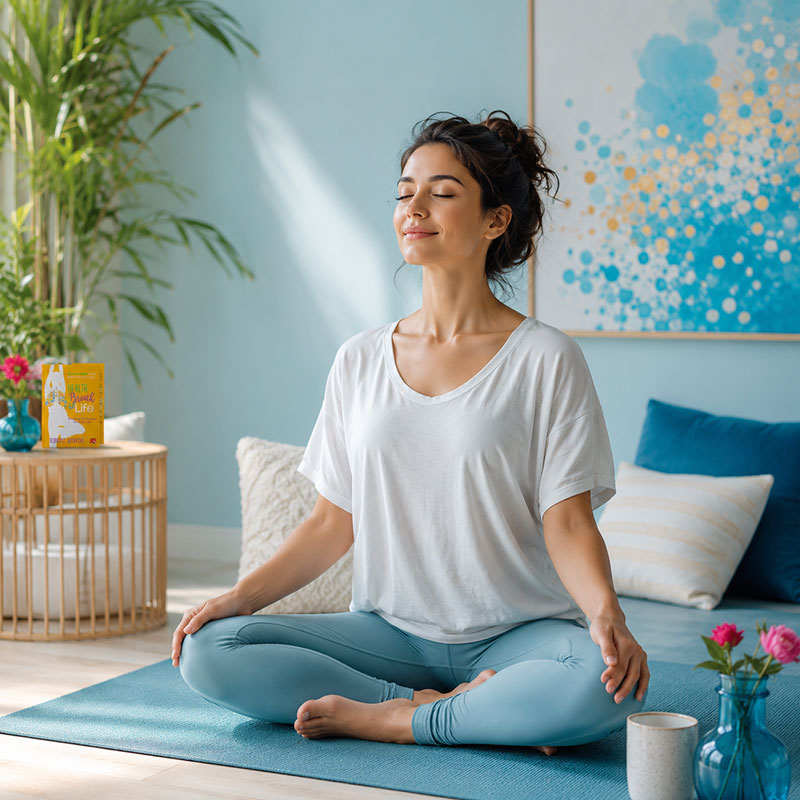
Tips to Consider Before Practising Breathing Techniques
In this article series, I will introduce ten different pranayama and conscious breathing techniques together with their intended uses and safety principles.
Before learning the techniques one by one, it is essential to understand how to prepare the body, posture and breathing environment correctly.
In breathing practices, safety comes first. The second priority is an upright, relaxed and sustainable sitting position.
Why Is Preparation Important?
Breathing techniques may appear simple because breathing is something we do automatically throughout life. Pranayama, however, involves consciously changing the rhythm, depth, pathway or duration of the breath.
The body should therefore be prepared in a way that supports comfort, awareness and safety. An unsuitable sitting position, a full stomach or an unnecessarily forceful practice can make it difficult to experience the intended effects of the exercise.
The purpose is never to compete, endure discomfort or achieve the highest possible number of breaths. The purpose is to practise with awareness and remain within the body’s comfortable capacity.
Breathing Techniques Are Practical Physiological Tools
Pranayama does not require adherence to a particular belief system. These practices work directly with breathing patterns, attention, posture and bodily regulation.
Their benefits depend primarily on selecting an appropriate technique, applying it correctly and practising it consistently without forcing the body.
What Can Pranayama Support?
A Calmer Mental State
Slow and balanced breathing practices may help quiet mental activity and create a greater sense of inner space.
Nervous System Balance
Appropriate breathing rhythms may support the body’s transition from alertness and tension towards restoration and calm.
Energy and Vitality
More activating techniques may help create alertness and movement when the body feels sluggish or low in energy.
Emotional Awareness
Observing the breath may help us recognise emotional tension and respond more consciously instead of reacting automatically.
Sit Upright Without Creating Tension
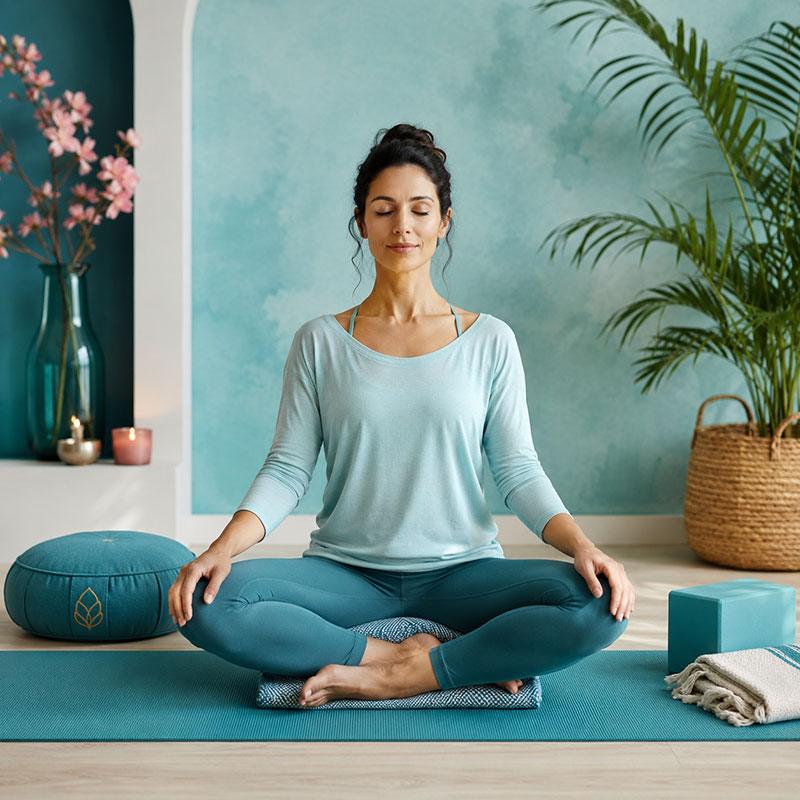
Most of the pranayama techniques in this series should be practised in a stable upright position, either sitting comfortably on the floor or on a chair.
The spine should feel naturally elongated rather than rigid. The chest should remain open, while the neck, jaw and shoulders stay relaxed.
A correct posture should allow the diaphragm and rib cage to move freely without creating pressure in the lower back, hips or knees.
Essential Guidelines for Breathing Practice
The following principles provide a safe and comfortable foundation before you begin practising individual pranayama techniques.
Practise on an Empty or Light Stomach
Do not begin forceful or structured pranayama immediately after a meal. Allow sufficient time for digestion and wait until the stomach feels comfortable.
Choose a Stable Sitting Position
Sit cross-legged on the floor or use a supportive chair. The important point is to remain upright without pain, strain or instability.
Breathe Through the Nose
Unless the instructions for a particular technique state otherwise, keep the mouth gently closed and breathe through the nose.
Relax the Tongue and Jaw
Rest the tip of the tongue comfortably behind the upper front teeth, touching the upper palate without pressing or creating tension.
Release the Neck and Shoulders
Allow space between the ears and shoulders. Let the shoulder blades settle naturally down the back without pulling them forcibly.
Close the Eyes Gently
Unless keeping the eyes closed feels uncomfortable, allow the eyelids to rest softly without squeezing or creating tension.
Never Force the Breath
Do not try to inhale the maximum possible amount of air or extend a breath retention beyond your natural and comfortable capacity.
Stop if You Feel Unwell
If you feel dizzy, light-headed, breathless, anxious, nauseated or uncomfortable, stop the exercise and return to your natural breathing rhythm.
Follow the Recommended Duration
Do not exceed the recommended number of breaths, repetitions or breath-holding periods provided for the technique.
Progress Gradually
During the first week, remain within the beginner-level duration. Increase only when the practice feels natural, steady and completely comfortable.
Longer Is Not Always Better
You do not need to increase the duration or number of repetitions if the introductory level continues to meet your needs.
Protect Your Comfort Zone
If even the beginner recommendation feels too demanding, reduce the repetitions or duration rather than pushing through discomfort.
Use Support When Sitting on the Floor
Placing a small elevation beneath the sitting bones can make a cross-legged position significantly more comfortable.
You may use a yoga block, folded blanket, firm cushion or meditation pillow. The support should help the pelvis remain stable and allow the spine to rise naturally.
You Do Not Have to Sit Cross-Legged
Most gentle and balancing pranayama techniques can also be practised while sitting on a chair. Choose a firm chair that allows you to remain upright without leaning heavily against the backrest.
Keep both feet supported. Ideally, the knees and hips should remain at a comfortable and approximately level position.
If the feet do not reach the floor comfortably, place a block, firm cushion or folded blanket beneath them.
Kapalabhati and Bhastrika Require Additional Care
Kapalabhati and Bhastrika are more active and forceful than gentle slow-breathing practices. They should be approached gradually and only after learning the correct movement and rhythm.
These techniques are generally not appropriate close to bedtime because they may feel stimulating and increase alertness.
They also have more contraindications than simple diaphragmatic or slow breathing exercises. Always read the technique-specific warnings before practising.
Some Conditions Require Individual Evaluation
Acute Illness
Pause forceful techniques during fever, an active respiratory infection or any illness that makes normal breathing difficult.
Cardiovascular Conditions
People with a recent cardiac event, uncontrolled blood pressure or another significant cardiovascular condition should first obtain medical guidance.
Pregnancy
Breath retention, forceful abdominal contractions and highly stimulating practices should not be introduced during pregnancy without qualified guidance.
Ongoing Medical Treatment
People undergoing chemotherapy, radiotherapy or treatment for a serious illness should ask their medical team which breathing practices are appropriate.
Children and Adolescents
Forceful fire-breathing techniques should not be taught to children as though they were simple relaxation exercises. Practices should be selected according to age and taught under appropriate supervision.
If a technique creates pain, dizziness, breathlessness, panic or unusual discomfort, stop immediately and allow your natural breathing rhythm to return.
Choose the Techniques You Need Most
My breathing guide Life Hidden in Breath – Breathing Techniques for Daily Life, presented on its English cover as Health, Breath & Life, explains ten main pranayama techniques in detail.
Each practice includes its purpose, recommended duration, application principles and specific contraindications. QR-coded videos also provide practical visual guidance.
After reviewing the techniques, you can select the practices that respond most directly to your needs and gradually incorporate them into your personal wellbeing routine.
Discover the Breathing GuideWe Will Learn the Techniques One by One
In the next articles in this series, I will explain the main pranayama exercises individually, including their purpose, method, recommended duration and contraindications.
Before beginning any of them, return to the principles in this article and remember that a successful practice should feel safe, stable and sustainable.
Be Well, Be Happy!
Preparing for Pranayama and Breathing Techniques
Can breathing techniques be practised after a meal?
Structured and forceful pranayama techniques should not be practised immediately after eating. Wait until digestion has progressed and the stomach feels comfortable.
Must pranayama always be practised on the floor?
No. Many gentle and balancing techniques can be practised on a firm chair. The important principles are stability, an upright spine and physical comfort.
Should breathing exercises always be performed through the nose?
Many pranayama techniques use nasal breathing, but some exercises include exhalation through the mouth. Always follow the instructions of the individual technique.
What should I do if I feel dizzy?
Stop the exercise immediately, release any breath retention and return to normal breathing. Rest until you feel completely comfortable before standing up.
Do I need to increase the number of breaths every week?
No. You can continue practising at the introductory level for as long as it feels appropriate. More repetitions do not automatically create greater benefit.
Can pranayama be practised during pregnancy?
Some gentle breathing practices may be appropriate, but breath retention, forceful abdominal techniques and stimulating fire breaths require individual professional guidance.
Can Kapalabhati or Bhastrika be practised before sleep?
These are stimulating practices and may increase alertness. They are generally better suited to an earlier part of the day rather than immediately before bedtime.
Can pranayama replace medical treatment?
No. Breathing practices may support wellbeing, but they do not replace medical diagnosis, prescribed treatment or psychological care.
Wellbeing Note
Different breathing techniques create different physiological effects. Slow diaphragmatic breathing should not be considered equivalent to rapid breathing, forceful exhalation or prolonged breath retention.
Anyone with a chronic respiratory, cardiovascular, neurological or psychiatric condition, or anyone undergoing intensive medical treatment, should seek individual professional guidance before beginning pranayama.
Ebru Şinik
Wellbeing Coach & Ayurveda Instructor